
Interview AI Platform: The Complete Guide To AI-Powered Recruitment In 2026

Understanding the Interview AI Platform Revolution
The recruitment landscape has undergone a dramatic transformation in recent years, with interview AI platforms emerging as essential tools for modern hiring teams. These intelligent systems leverage artificial intelligence to automate, optimize, and enhance every stage of the candidate evaluation process. As organizations face increasing pressure to hire faster while maintaining quality standards, an interview AI platform provides the technological edge needed to stay competitive in talent acquisition.
Traditional hiring methods are time-consuming, prone to human bias, and often fail to scale effectively during high-volume recruitment drives. An interview AI platform addresses these challenges by combining machine learning, natural language processing, and advanced analytics to deliver consistent, data-driven hiring decisions. In 2026, businesses across industries are recognizing that AI-powered recruitment is not just a trend but a fundamental shift in how talent is identified and assessed.
What Is an Interview AI Platform?
An interview AI platform is a comprehensive software solution designed to conduct, analyze, and score candidate interviews using artificial intelligence. Unlike traditional video interviewing tools that simply record responses, these platforms employ sophisticated algorithms to evaluate verbal communication, body language, technical skills, and cultural fit. The technology goes beyond basic keyword matching to understand context, sentiment, and competency levels.
Modern AI interview systems can conduct both structured and unstructured interviews, adapting questions based on candidate responses in real-time. They generate detailed reports highlighting strengths, weaknesses, and compatibility with job requirements. This level of automation and insight was previously impossible with manual screening processes.
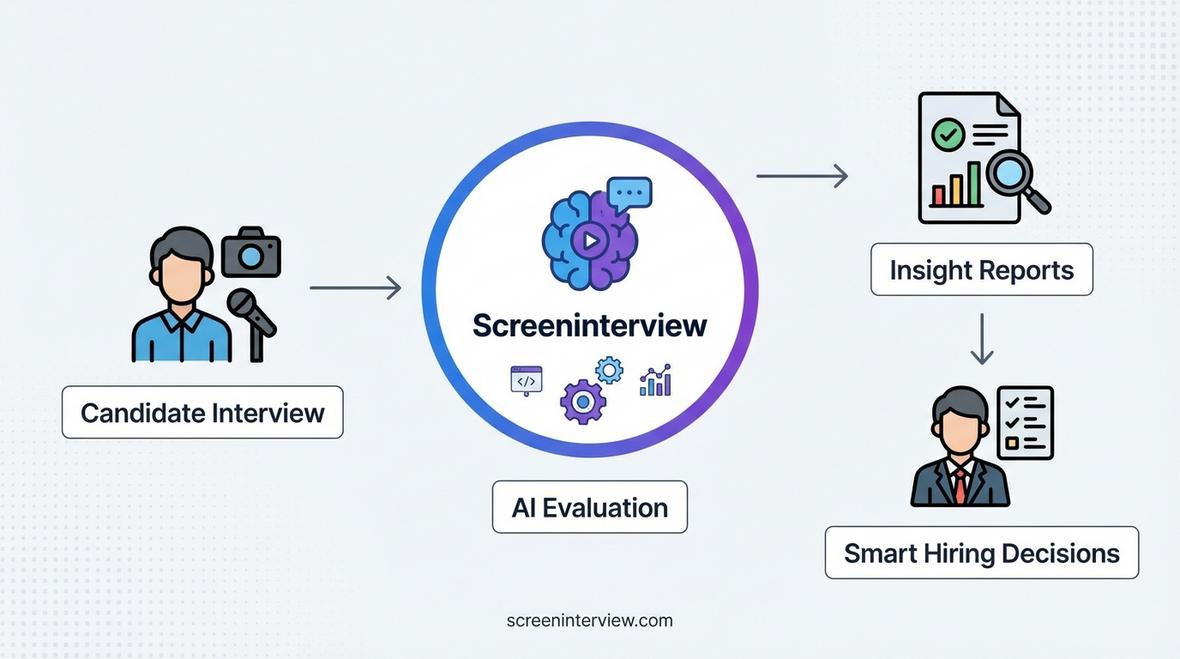
Core Components of an Interview AI Platform
A robust interview AI platform typically includes several integrated components that work together to streamline recruitment:
- AI-Powered Interview Conductor: An AI interviewer that asks relevant questions, listens to responses, and follows up with clarifying queries based on candidate answers.
- Video and Audio Analysis: Advanced algorithms that assess communication skills, confidence levels, and authenticity by analyzing speech patterns, tone, and visual cues.
- Technical Assessment Integration: Built-in coding challenges, skill tests, and problem-solving scenarios that evaluate hard skills in real-time.
- Proctoring Technology:AI proctoring capabilities ensure interview integrity by detecting suspicious behavior or external assistance.
- Analytics Dashboard: Comprehensive reporting tools that provide actionable insights and comparative analysis across candidates.
Key Benefits of Using an Interview AI Platform
Organizations implementing an interview AI platform experience transformative benefits across their recruitment operations. These advantages extend beyond simple time savings to fundamentally improve hiring quality and candidate experience.
Efficiency and Scalability
The most immediate benefit of an interview AI platform is the dramatic reduction in time-to-hire. Traditional interview processes require significant coordination between recruiters, hiring managers, and candidates. AI-powered systems eliminate scheduling conflicts by enabling on-demand interviews that candidates can complete at their convenience. This asynchronous approach allows recruiters to evaluate hundreds of candidates in the time it would traditionally take to screen dozens.
For organizations engaged in high-volume recruiting, the scalability advantages are particularly compelling. An interview AI platform can simultaneously conduct thousands of interviews without any degradation in quality or consistency. This capability is essential for companies experiencing rapid growth or seasonal hiring surges.
Reducing Unconscious Bias
One of the most significant challenges in traditional recruitment is unconscious bias, which can influence hiring decisions based on factors unrelated to job performance. An interview AI platform evaluates candidates using predetermined criteria and objective metrics, significantly reducing the impact of subjective judgments. According to research from leading HR organizations, AI-driven screening can help achieve more diverse and inclusive hiring outcomes when properly implemented.
By focusing on skills, competencies, and job-relevant attributes rather than demographic characteristics, these platforms support blind screening methodologies that promote fairness. However, it is essential to recognize that AI systems must be carefully designed and regularly audited to prevent algorithmic bias from perpetuating existing inequalities.
Enhanced Candidate Experience
Modern job seekers expect a streamlined, technology-enabled recruitment process. An interview AI platform meets these expectations by offering flexible scheduling, immediate feedback, and transparent evaluation criteria. Candidates appreciate the convenience of completing interviews on their own schedule without taking time off from current employment.
Furthermore, AI-powered systems provide consistent communication throughout the process, reducing the anxiety associated with recruitment black holes where candidates hear nothing for weeks. Research indicates that positive candidate experiences, even for unsuccessful applicants, strengthen employer branding and increase acceptance rates for job offers.
Essential Features to Look for in an Interview AI Platform
When evaluating different interview AI platform options, organizations should prioritize solutions that offer comprehensive functionality aligned with their specific hiring needs.
Intelligent Question Generation
The best platforms include interview builder tools that automatically generate role-specific questions based on job descriptions and required competencies. This feature ensures that every interview is tailored to the position while maintaining consistency across candidates. Advanced systems can adapt questioning strategies based on candidate responses, creating a more natural conversational flow.
Multi-Modal Assessment Capabilities
A comprehensive interview AI platform should evaluate candidates across multiple dimensions. This includes verbal communication assessment, technical skill testing through coding challenges or case studies, and behavioral analysis through situational questions. The platform should seamlessly integrate different assessment types into a unified evaluation framework.
For technical roles, the ability to conduct role-specific assessments is crucial. Whether you are hiring a data scientist, frontend developer, or product manager, the platform should offer tailored evaluation criteria that reflect the unique demands of each position.
Security and Interview Integrity
Maintaining the integrity of the assessment process is paramount. Look for platforms that incorporate robust interview proctoring features, including identity verification, environment monitoring, and behavior analysis. These safeguards ensure that the person taking the interview is indeed the candidate and that they are completing assessments without unauthorized assistance.
Advanced Analytics and Insights
The value of an interview AI platform extends beyond conducting interviews to providing actionable insights that improve hiring decisions. Comprehensive interview insights should include competency scoring, comparative benchmarking against other candidates, and predictive analytics about job performance and cultural fit.
Best Practices for Implementing an Interview AI Platform
Successfully deploying an interview AI platform requires thoughtful planning and change management to ensure adoption by both recruiters and candidates.
Start with a Pilot Program
Rather than immediately rolling out an interview AI platform across all hiring activities, begin with a pilot program focused on a specific department or role type. This approach allows your team to learn the system, identify potential issues, and refine processes before full-scale implementation. Document lessons learned and success metrics to build internal support for broader adoption.
Train Your Recruiting Teams
Even the most sophisticated interview AI platform requires human oversight and interpretation. Invest in comprehensive training for recruiters and hiring managers on how to configure assessments, interpret AI-generated insights, and integrate automated screening with human judgment. Understanding the capabilities and limitations of AI technology ensures that it augments rather than replaces human decision-making.
Maintain Transparent Communication with Candidates
Candidates should understand how AI is being used in their evaluation process. Clear communication about what the interview AI platform assesses, how their data will be used, and what happens next in the process builds trust and improves completion rates. Provide resources that help candidates prepare for AI interviews, such as sample questions and technical requirements.
Continuously Monitor for Bias and Fairness
Implementing an interview AI platform is not a 'set it and forget it' solution. Regularly audit the system's performance across different demographic groups to identify and address any patterns of disparate impact. Work with vendors who are transparent about their algorithms and committed to fairness in AI. Organizations serious about eliminating interviewing bias must establish ongoing monitoring protocols.
Industry-Specific Applications of Interview AI Platforms
Different industries have unique hiring challenges that an interview AI platform can address in specialized ways.
Technology and Software Development
Tech companies face intense competition for skilled developers and engineers. An interview AI platform can conduct technical assessments that evaluate coding proficiency, problem-solving abilities, and system design thinking at scale. Automated evaluation of coding challenges allows recruiters to focus their time on candidates who have already demonstrated technical competency.
Healthcare and Medical Staffing
Healthcare organizations dealing with nurse screening and medical professional recruitment benefit from AI platforms that can assess clinical knowledge, ethical reasoning, and patient communication skills. The ability to conduct standardized assessments across multiple locations ensures consistency in quality regardless of where healthcare professionals are hired.
Retail and Customer Service
For customer-facing roles, an interview AI platform can evaluate communication skills, empathy, problem-solving under pressure, and cultural alignment with brand values. These assessments help identify candidates who will excel in customer interactions while handling the high-volume screening requirements typical of retail hiring.
The Future of Interview AI Platforms
As we move further into 2026, interview AI platforms continue to evolve with emerging technologies and changing workforce expectations.
Advanced Conversational AI
Next-generation platforms are incorporating more sophisticated natural language processing that enables truly conversational interviews. Rather than following rigid scripts, these systems can engage in dynamic dialogue that feels natural while still maintaining evaluation consistency. This evolution makes the candidate experience more engaging and provides richer data for assessment.
Predictive Performance Analytics
Future interview AI platforms will increasingly leverage historical hiring data to predict not just whether a candidate can do the job, but how well they will perform over time. By analyzing patterns from past successful hires, these systems can identify subtle indicators of long-term success that human evaluators might miss.
Integration with Broader HR Ecosystems
The most effective implementations integrate the interview AI platform with applicant tracking systems, onboarding tools, and performance management platforms. This creates a seamless data flow from initial application through employee development, enabling organizations to continuously refine their hiring criteria based on actual performance outcomes.
Choosing the Right Interview AI Platform for Your Organization
Selecting the optimal interview AI platform requires careful evaluation of your organization's specific needs, existing technology infrastructure, and hiring volume.
Key Assessment Criteria
When comparing different platforms, consider these critical factors:
- Customization Capabilities: Can the platform be tailored to your unique competency frameworks and evaluation criteria?
- Integration Options: Does it seamlessly connect with your existing ATS and HR systems?
- User Experience: Is the interface intuitive for both recruiters and candidates?
- Vendor Support: What level of training, implementation assistance, and ongoing support is provided?
- Compliance and Security: Does the platform meet data protection regulations relevant to your industry and geography?
- Pricing Model: Is the cost structure aligned with your hiring volume and budget?
Why Organizations Choose ScreenInterview
ScreenInterview stands out as a comprehensive interview AI platform designed to address the full spectrum of recruitment challenges. The platform combines advanced AI technology with an intuitive user experience that accelerates hiring without sacrificing quality.
Key differentiators include robust workflow automation that eliminates manual tasks, intelligent scheduling that reduces time-to-interview, and detailed analytics that provide actionable insights. Organizations can explore how ScreenInterview compares to other solutions in the market to understand its unique value proposition.
Frequently Asked Questions About Interview AI Platforms
How accurate are interview AI platforms compared to human interviewers?
When properly configured, an interview AI platform can match or exceed human interviewer accuracy for evaluating specific skills and competencies. AI systems eliminate day-to-day variability in interviewer performance and assess candidates against consistent criteria. However, they work best when combined with human judgment for final hiring decisions, particularly for evaluating cultural fit and intangible qualities.
Can candidates cheat on AI-powered interviews?
Modern interview AI platforms incorporate multiple integrity safeguards including identity verification, environment monitoring, and behavioral analysis to detect potential cheating. Features like secure browser technology prevent candidates from accessing unauthorized resources during assessments. While no system is completely foolproof, AI proctoring significantly reduces the opportunity for dishonest behavior.
How do interview AI platforms handle different languages and accents?
Leading interview AI platforms are trained on diverse datasets that include multiple languages, dialects, and accents. They focus on content and competency rather than penalizing candidates for linguistic variations. However, organizations should verify that their chosen platform has been validated for the specific languages and regions relevant to their hiring needs.
What is the typical ROI of implementing an interview AI platform?
Organizations typically see ROI through reduced time-to-hire, lower cost-per-hire, improved quality of hire, and decreased recruiter workload. The exact financial impact varies based on hiring volume, but companies conducting high-volume recruitment often achieve ROI within the first few months of implementation.
Do interview AI platforms comply with employment regulations?
Reputable interview AI platform vendors design their systems to comply with employment laws and anti-discrimination regulations. However, compliance responsibility ultimately rests with the hiring organization. It is essential to conduct due diligence on how the platform's algorithms work and to implement regular audits ensuring fair treatment across protected categories.
Conclusion
The interview AI platform represents a fundamental evolution in how organizations identify and evaluate talent. By combining automation, artificial intelligence, and advanced analytics, these systems address longstanding recruitment challenges while scaling to meet the demands of modern hiring. Organizations that strategically implement AI-powered interviewing gain significant advantages in efficiency, consistency, and candidate quality. As the technology continues to mature, the question is no longer whether to adopt an interview AI platform, but rather how to implement it most effectively to transform your recruitment operations and secure top talent in an increasingly competitive market.
Ready to Transform Your Interview Process?
See how ScreenInterview can help you automate phone screens, reduce bias, and hire better candidates faster.