
AI Video Interview: Complete 2026 Guide To Automated Recruitment Technology

Understanding AI Video Interviews in Modern Recruitment
The recruitment landscape has undergone a dramatic transformation with the introduction of ai video interview technology. This innovative approach leverages artificial intelligence to streamline hiring processes, reduce time-to-hire, and improve candidate assessment accuracy. An ai video interview combines video recording capabilities with sophisticated AI algorithms that analyze candidate responses, facial expressions, speech patterns, and content quality to provide comprehensive insights for recruiters.
Traditional interview methods often suffer from scheduling conflicts, geographical limitations, and unconscious bias. AI interview platforms address these challenges by enabling asynchronous interviews where candidates record responses at their convenience, while AI evaluates performance consistently across all applicants. According to 75% of recruiters expect AI interview tool use in next 3 years, indicating widespread adoption and confidence in this technology's effectiveness.
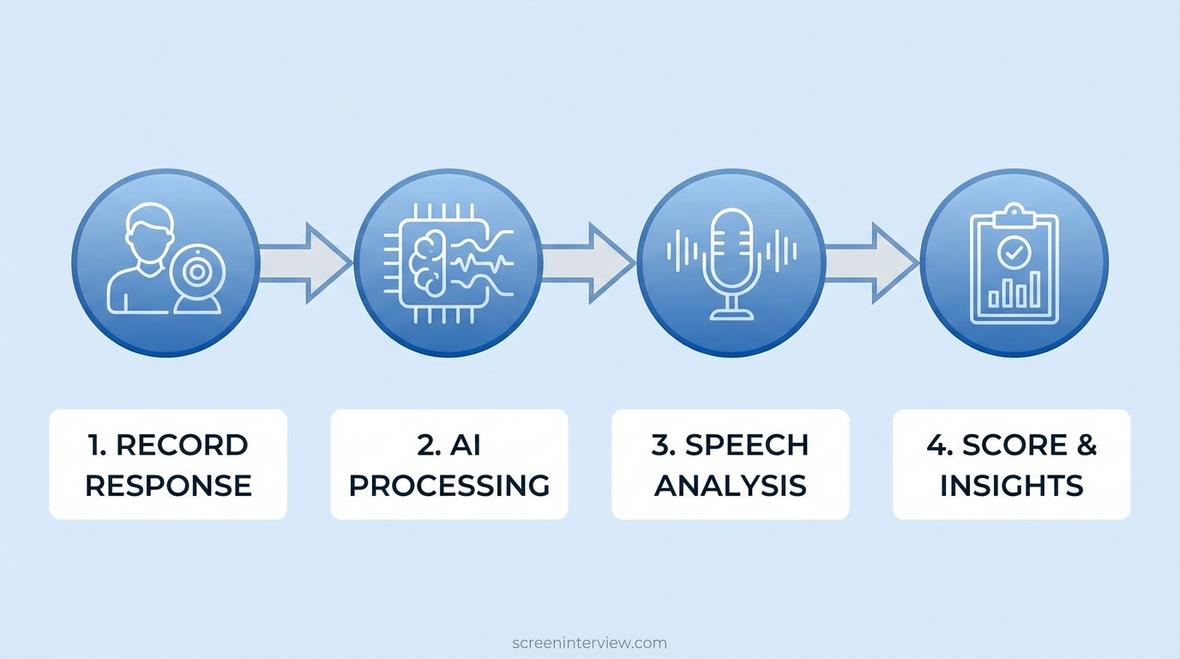
The ai video interview process typically involves four key stages: recording candidate responses, processing data through AI algorithms, conducting speech and behavioral analysis, and generating actionable scores and insights. This systematic approach ensures every candidate receives fair, objective evaluation based on job-relevant criteria rather than subjective impressions.
The Technology Behind AI Video Interviews
An ai video interview system employs multiple layers of artificial intelligence to evaluate candidates comprehensively. The technology stack includes natural language processing (NLP), machine learning algorithms, facial recognition, sentiment analysis, and predictive analytics working in concert to deliver hiring insights.
Recording Response Stage
Candidates access the ai video interview platform through a secure link, typically via their webcam-enabled device. The platform presents pre-configured questions, allowing candidates time to prepare and record their responses. Advanced systems like on-demand interview platforms offer flexibility in scheduling while maintaining assessment integrity through proctoring features.
AI Processing and Analysis
Once responses are recorded, sophisticated AI engines analyze multiple data points simultaneously. The system evaluates verbal content for relevance, coherence, and depth of knowledge. Speech analysis algorithms assess communication clarity, confidence levels, and linguistic patterns. Facial recognition technology measures engagement, authenticity, and emotional intelligence indicators.
Speech and Behavioral Insights
The speech analysis component of an ai video interview examines vocal tone, pace, articulation, and filler word usage. These metrics provide insights into candidate confidence and communication skills. Behavioral analysis evaluates non-verbal cues, maintaining eye contact, and professional demeanor all critical factors in workplace success.
Scoring and Reporting
The final stage generates comprehensive reports with quantitative scores and qualitative insights. Recruiters receive detailed dashboards showing candidate performance across competencies, enabling data-driven hiring decisions. Interview insights platforms aggregate this information, making it easy to compare candidates objectively and identify top talent efficiently.
Key Benefits of AI Video Interview Technology
Organizations implementing ai video interview solutions experience significant advantages across their recruitment operations. These benefits extend beyond simple time savings to fundamentally improve hiring quality and candidate experience.
Enhanced Efficiency and Scalability
AI video interviews eliminate scheduling coordination, enabling recruiters to screen hundreds of candidates simultaneously. What traditionally required weeks of phone screens and preliminary interviews now completes in days. Workflow automation handles invitation delivery, reminder notifications, and response collection automatically, freeing recruiters to focus on strategic activities.
Reduced Bias and Fair Assessment
Unconscious bias remains one of recruitment's most persistent challenges. AI video interview technology applies identical evaluation criteria to every candidate, ensuring consistent assessment regardless of background, appearance, or interviewer mood. When properly configured with bias-detection safeguards, these systems promote candidate screening without bias and support diversity initiatives effectively.
Improved Candidate Experience
Modern job seekers value flexibility and transparency. AI video interviews allow candidates to participate from comfortable environments at convenient times, reducing stress associated with traditional interviews. The structured format ensures everyone receives equal opportunity to showcase their abilities, creating positive brand impressions even for unsuccessful applicants.
Significant Cost Reduction
Organizations save substantially on recruitment expenses by reducing travel costs for remote candidates, minimizing recruiter time spent on initial screenings, and decreasing time-to-hire metrics. The efficiency gains translate directly to bottom-line savings while improving overall hiring quality through more thorough candidate pools.
Global Talent Access
Geographic boundaries no longer limit talent acquisition. AI video interview platforms enable companies to evaluate candidates worldwide without logistical complications. The Asia-Pacific high-growth region for AI video interviews demonstrates how organizations are leveraging this technology to tap into emerging talent markets in India, China, and throughout the region.
Implementing AI Video Interviews: Best Practices
Successful ai video interview implementation requires thoughtful planning, stakeholder alignment, and continuous optimization. Organizations should approach adoption strategically to maximize return on investment and ensure positive outcomes for all parties.
Defining Requirements and Use Cases
Begin by identifying specific hiring challenges the technology will address. Determine which roles benefit most from AI screening, what competencies matter most, and how the solution integrates with existing applicant tracking systems. Clear objectives guide platform selection and configuration decisions effectively.
Selecting the Right Platform
Evaluate ai video interview providers based on technical capabilities, integration options, user experience, and support services. Consider factors like customization flexibility, reporting depth, security standards, and pricing models. Platform comparison tools help organizations assess options systematically against their specific requirements.
Training Recruiters and Hiring Managers
Technology alone doesn't guarantee success people must understand how to leverage it effectively. Provide comprehensive training on interpreting AI-generated insights, combining automated scores with human judgment, and maintaining the human element in hiring decisions. Establish clear protocols for reviewing video responses and making final selections.
Communicating with Candidates
Transparency builds trust and improves participation rates. Clearly explain the ai video interview process, what candidates should expect, how their data will be used, and how technology complements human decision-making. Provide technical support resources and practice opportunities to reduce anxiety and ensure all candidates can perform optimally.
Monitoring and Optimizing Performance
Track key metrics including completion rates, time-to-hire, quality-of-hire, and candidate satisfaction scores. Regularly review AI assessment accuracy against actual employee performance to validate and refine algorithms. Continuous improvement ensures the system delivers increasingly valuable insights over time.
Addressing Common Concerns About AI Video Interviews
Despite significant benefits, ai video interview technology raises legitimate questions about fairness, privacy, and effectiveness. Addressing these concerns proactively helps organizations implement solutions responsibly and maintain candidate trust.
Algorithmic Bias and Fairness
AI systems can perpetuate existing biases if trained on historical data reflecting discriminatory patterns. Responsible providers regularly audit algorithms for bias, use diverse training datasets, and provide transparency about how decisions are made. Organizations should demand bias testing reports and choose platforms committed to eliminating predictive bias in AI screening.
Data Privacy and Security
Video recordings contain sensitive personal information requiring robust protection. Ensure your ai video interview platform complies with relevant data protection regulations like GDPR and CCPA, encrypts data in transit and at rest, and provides clear data retention and deletion policies. Candidates should understand what information is collected and how it's secured.
Technical Accessibility
Not all candidates have equal access to technology or stable internet connections. Offer alternative interview methods when technical barriers exist, provide clear minimum system requirements upfront, and ensure the platform functions across various devices and browsers. Accessibility features for candidates with disabilities are essential for inclusive hiring.
Maintaining the Human Element
AI should augment, not replace, human judgment in hiring. Use ai video interview technology for initial screening and standardized assessment, but involve human reviewers in final decisions. The most effective approaches combine AI efficiency with human insight, emotional intelligence, and cultural fit evaluation.
AI Video Interviews Across Industries
Different sectors leverage ai video interview technology to address unique hiring challenges and improve recruitment outcomes specific to their operational requirements.
Technology and Software Development
Tech companies use AI interviews to screen technical competencies efficiently, particularly for high-volume roles like software engineer positions. The technology evaluates coding knowledge, problem-solving approaches, and technical communication skills before advancing candidates to live technical assessments.
Healthcare and Nursing
Healthcare organizations face critical staffing shortages requiring rapid, effective screening. AI video interview platforms assess clinical knowledge, patient communication skills, and emotional resilience critical competencies for healthcare professionals. These systems help identify qualified candidates quickly while maintaining rigorous quality standards.
Retail and Hospitality
High-volume seasonal hiring in retail and hospitality benefits tremendously from AI interview efficiency. Organizations screen thousands of applicants rapidly, identifying candidates with appropriate customer service skills, availability, and cultural alignment. The technology dramatically reduces time-to-hire during critical peak seasons.
Financial Services
Banks and financial institutions use ai video interview technology to assess regulatory knowledge, analytical capabilities, and communication skills. The structured approach ensures compliance with hiring regulations while identifying candidates with the technical and interpersonal competencies essential for financial roles.
The Future of AI Video Interviews
The ai video interview market continues evolving rapidly, with emerging capabilities promising even greater recruitment value. Understanding these trends helps organizations prepare for the next generation of hiring technology.
Advanced Predictive Analytics
Next-generation platforms will predict job performance, retention likelihood, and career progression potential with increasing accuracy. Machine learning models trained on longitudinal employee data will identify patterns correlating interview responses with long-term success, enabling more strategic hiring decisions.
Multimodal Assessment Integration
Future ai video interview systems will combine video analysis with skills testing, work sample evaluation, and personality assessments in unified platforms. Interview builder tools will create comprehensive, role-specific assessment experiences that evaluate candidates holistically across all relevant dimensions.
Conversational AI Interviewers
Emerging AI interviewer technology enables dynamic conversations where AI asks follow-up questions based on candidate responses, creating more natural, adaptive interview experiences. This evolution bridges the gap between structured efficiency and conversational depth.
Global Market Expansion
Adoption will accelerate globally, particularly in high-growth regions. Organizations worldwide recognize the competitive advantages of efficient, scalable, unbiased screening, driving continued investment and innovation in ai video interview technology throughout 2026 and beyond.
Choosing the Right AI Video Interview Platform
With numerous providers offering ai video interview solutions, organizations must evaluate options carefully to find the best fit for their specific needs and organizational context.
Key Evaluation Criteria
Assess platforms based on AI sophistication, customization capabilities, integration options, user experience, reporting quality, security standards, customer support, and pricing transparency. Request demonstrations, trial periods, and reference checks to validate vendor claims thoroughly.
Integration Requirements
Seamless integration with existing HR technology stacks is essential. Ensure the ai video interview platform connects with your applicant tracking system, HRIS, background screening services, and communication tools. API availability and documentation quality indicate integration ease.
Vendor Stability and Support
Choose established providers with proven track records, financial stability, and commitment to continuous innovation. Evaluate customer support responsiveness, training resources, and user communities. Strong vendor relationships ensure long-term success beyond initial implementation.
Measuring AI Video Interview Success
Implementing ai video interview technology represents significant investment requiring measurable returns. Establish clear metrics to evaluate program effectiveness and demonstrate value to organizational stakeholders.
Quantitative Metrics
Track time-to-hire reductions, cost-per-hire decreases, candidate pipeline expansion, recruiter productivity improvements, and offer acceptance rates. Compare these metrics before and after implementation to quantify impact objectively.
Qualitative Indicators
Monitor candidate feedback, hiring manager satisfaction, new hire performance ratings, and retention rates. Qualitative insights reveal whether the technology improves hiring quality beyond efficiency gains.
Continuous Improvement Cycles
Use data insights to refine question sets, adjust scoring algorithms, and optimize workflows continuously. Regular reviews ensure the ai video interview system evolves with changing business needs and delivers increasing value over time.
Frequently Asked Questions About AI Video Interviews
How accurate are AI video interviews in predicting job performance?
AI video interview accuracy depends on proper configuration, validation against actual performance data, and continuous refinement. Well-designed systems show strong correlation with job success when assessing relevant competencies, particularly for structured roles with clear performance criteria.
Can AI video interviews eliminate hiring bias completely?
While ai video interview technology significantly reduces certain biases, it cannot eliminate all bias completely. Algorithms require careful design, diverse training data, and regular auditing. Human oversight remains essential to ensure fair, equitable hiring decisions.
How should candidates prepare for an AI video interview?
Candidates should test technology beforehand, choose quiet, well-lit environments, dress professionally, practice responses to common questions, and speak clearly and confidently. Preparation guides help candidates understand expectations and perform optimally.
What does AI video interview software typically cost?
Pricing varies widely based on features, usage volume, and customization requirements. Models include per-interview fees, monthly subscriptions, and enterprise licenses. Organizations should evaluate total cost of ownership including implementation, training, and ongoing support.
Are AI video interviews legally compliant?
Compliance depends on implementation specifics and jurisdiction. Ensure your platform adheres to equal employment opportunity regulations, data privacy laws, and accessibility requirements. Consult legal counsel to verify compliance with applicable regulations in your operating regions.
Conclusion
The ai video interview represents a fundamental shift in recruitment methodology, offering unprecedented efficiency, scalability, and objectivity. As adoption accelerates throughout 2026, organizations implementing these solutions strategically gain significant competitive advantages in talent acquisition. Success requires selecting appropriate platforms, training stakeholders effectively, maintaining transparency with candidates, and continuously optimizing based on performance data. By combining AI capabilities with human judgment, organizations create hiring processes that are faster, fairer, and more effective than ever before. Explore comprehensive AI interview solutions that transform your recruitment operations and deliver measurable business impact.
Ready to Transform Your Interview Process?
See how ScreenInterview can help you automate phone screens, reduce bias, and hire better candidates faster.